Hardcover Book Printing — Materials, Case Binding, and What You Actually Get
A plain-English guide to hardcover (case-bound) book printing: linen vs paper wrap, minimum quantities, page-count sweet spots, and when foil stamping, embossing, or debossing is worth it.
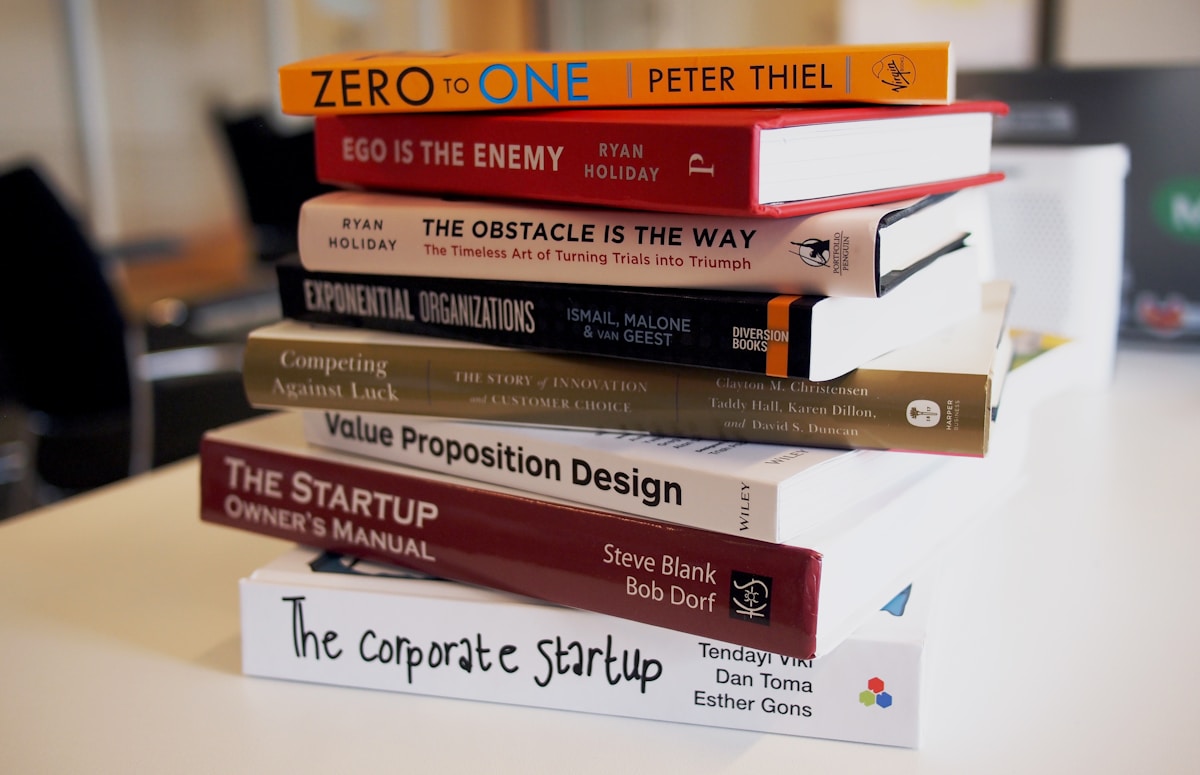
What exactly is a hardcover (case-bound) book?
A hardcover book is a case-bound book. The interior signatures are sewn or notch-glued into a rigid case built from two 98pt greyboards + a spine board, wrapped in either a printed paper wrap or a woven linen. The result is the book format bookstores, publishers, and premium self-publishers ship: opens flat-ish, survives shelves for decades, and looks like a real book instead of a booklet in a stiff cover. If you're building a coffee-table book, portfolio, cookbook, memoir, or corporate anniversary edition, this is what you want.
Kolt Printing case-binds books in-house, so the same team quotes, plates, prints, folds, sews, cases, and ships. Order specs live on the product page: koltprinting.com/shop/product/booklet-hard-cover-case
Linen vs. printed paper wrap — pick before you design
Two case styles cover 90% of what customers order:
- Printed paper wrap — a 4/0 CMYK printed sheet is laminated (matte or gloss) and wrapped around the case. Full-color imagery, photographic covers, and any design that relies on color goes here.
- Linen wrap — a woven cloth (we stock black, navy, cream, charcoal, deep red, forest green, and kraft) is wrapped around the case with no printed art. Titles are added via foil stamp, blind emboss, or blind deboss. This is the classic library / literary look.
You cannot print CMYK on linen — the weave scatters ink. Everything on a linen cover is either foil-stamped, embossed, or debossed. Design accordingly.
Foil stamping — when to spend on it
Foil stamping presses a heated die into metallic (or matte-color) foil, transferring a thin metal layer onto the cover. Gold, silver, copper, rose-gold, and holographic finishes read as premium the moment someone picks up the book. Foil on a linen cover is the classic 'award-winning novel' finish; foil on a printed paper wrap adds a title-block sparkle without turning the whole cover metallic.
- Best for: titles, author names, publisher marks, medallions, page numbers on the spine.
- Not great for: large solid areas (foil scuffs against shipping surfaces — keep coverage under ~15 sq in).
- Minimum stroke width: 0.5 pt. Anything thinner won't hold the foil evenly.
Embossing and debossing — the tactile finishes
Embossing pushes the cover material UP (a raised impression); debossing pushes it DOWN (a sunken impression). Both use a metal die pressed into the case at high pressure. You can combine either with foil (foil-emboss = raised metal title) or leave them blind (no color at all, just texture).
- Blind emboss on cream linen is the go-to for memoirs, poetry, and family history books — subtle, expensive-looking, and photographs beautifully in low light.
- Blind deboss on kraft linen is the modern minimalist look — natural, sustainable, and pairs well with matte paper wraps for a mixed-batch launch.
- Foil-emboss (foil stamped on a raised emboss) is the highest-end finish we offer — expect a die fee of $95–$180 depending on complexity, then a small per-book add-on.
Common questions we get every week
- "What's the minimum quantity?" — 25 books. We case-bind small runs on the same equipment as large runs; you don't pay more per book for a short run than the same book at 100 qty (except for a small setup amortization).
- "What's the page-count range?" — 48 to 800 pages. Below 48 pages, a saddle-stitched or perfect-bound booklet is the better format; over 800 the case-binder starts to struggle and we recommend splitting into volumes.
- "What paper goes inside?" — 80lb or 100lb text (matte or gloss) for photo-heavy books; 60lb or 70lb offset uncoated for text-heavy books. Endpapers are 80lb uncoated cover stock in cream, white, or a color you choose.
- "How long does it take?" — 10–15 business days after final proof approval. Foil stamping adds 2–3 days for die-making. Embossing and debossing add 1–2 days.
Get a spec quote from koltprinting.com/shop/product/booklet-hard-cover-case or send us your PDF interior + a cover mock-up and we'll come back with a fixed line-item quote inside one business day.
Kolt Printing ships from Houston, TX every business day.
Live pricing on every product. Free die templates. Same-day shipping cut-off at 11 AM Central. Trade pricing for agencies and print brokers.